A new programme is exploring how neighbours can share and use energy more efficiently together.
Sweden has announced the selection of Rolls-Royce SMR to help deliver three small modular reactors (SMRs) on the Värö peninsula.
A new £219m low carbon fuels fund (LCFF) will launch later this summer, with companies invited to bid for a share of £93m over the next two years. The fund will then focus support on the most promising projects closest to the actual production stage.
Nearly half of the world’s children (1.1 billion) are now exposed to at least three overlapping climate hazards, threatening their health, education, and survival, according to a new UNICEF report. (Picture credit: UNICEF/Ahmed.)
The construction industry faces emerging risks, and climate extremes top the list.
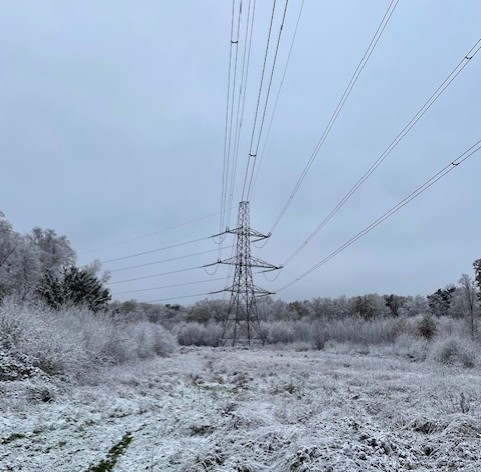
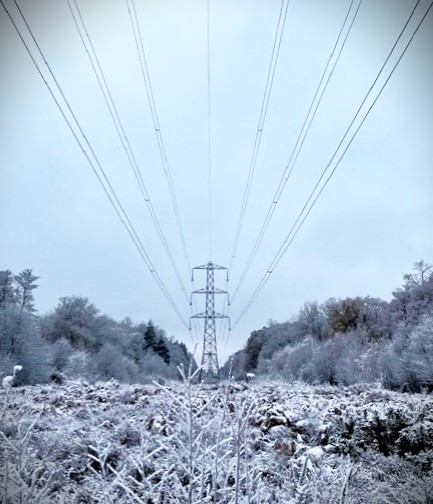
Independent research from consultancy Ramboll and commissioned by DESNZ shows that overhead transmission lines on pylons remain considerably cheaper than undergrounding electricity cables.
Polling commissioned by eleven trade associations reveal that energy cost remains, not surprisingly, the most cited concern, but voters also support development of clean energy.
An international group of researchers has produced a fourth update to key indicators of the state of the climate system set out in the IPCC AR6 assessment, building on previous editions in 2023, 2024 and 2025.
Oxford-based Earthmark has launched a directory displaying environmental performance data for thousands of UK and global businesses to help combat ‘geenwashing’.
The National Energy System Operator (NESO), working with Energy Networks Association (ENA) and network operators, has confirmed more than half (58 per cent) of connection offers for transmission and distribution projects in the 2030 pipeline have now been issued.
The Government’s latest U-turn could see EV targets watered down.
Make Uk has said that: “Britain risks becoming the first advanced economy to have an industrial strategy without a significant industrial base to support as an increasing number of manufacturers are moving production overseas.”
EDF’s UK chief has said that the UK should stop building wind farms, as the country already has more electricity that needed.
The Corporate Net-Zero Standard V2.0 has been unveiled by SBTi, who are calling it the “most comprehensive framework for corporate climate action to date”.
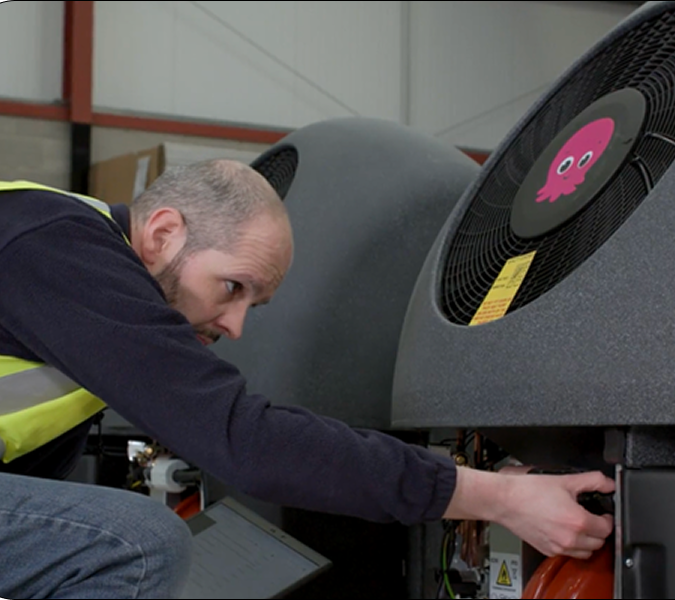
DESNZ has published its quarterly heat pump installation data, showing that the total number of retrofit heat pumps installed in Q1 2026 was 18 per cent lower quarter on quarter, and 22 per cent lower year on year.
The electric vehicle charging sector can deliver £15.5bn directly to the economy by 2035 and unlock up to £385bn of GVA by 2035 to wider transport electrification, according to a report by LCP Delta.
Subscribe to our newsletter to receive breaking news by email.
EV charging driving inequality
Morgan Stanley leaves NZBA
Three years of carbon budget left
Ford gets electric boost
Ultra-wealth’s disproportionate emissions
Gas outcompeted by solar
Public wants clean power but misunderstands
EV economy to contribute £15.5bn to UK
Money blows hot and cool
Heat pump slump
£219m for green aviation
Sweden selects RR SMR
Half of children exposed to three climate threats
Extreme climate affecting construction
Green neighbours
EV targets emergency brake and U-turn?
Electricity bills making companies move abroad
Pylons remain the cheap option
Stopping greenwash: Earthmark rates 25,000 brands
EDF: We don’t need more windfarms